
Summer is in full-swing – even though it looks and feels significantly different this year. While you may be trading your beach or international vacation for a staycation, it’s still important to get some sun and fresh air, appreciating all the great outdoors has to ... Read More
Blog

10 Ways to Discover the Great Outdoors
Summer is in full-swing – even though it looks and feels significantly different this year. While you may be trading your beach or international vacation ...

Deck the Halls with these 12 Plants
Holiday plants bring the smells and colors of the season to your favorite spaces, be it under the mistletoe, next to the Christmas tree or ...
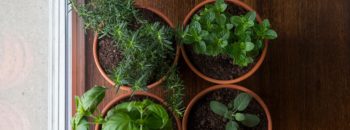
Fresh Herbs to “Spice Up” Thanksgiving
This Thanksgiving, no need to add extra spices to your shopping list. We’ve rounded up the best, easy-to-care for herbs to take your favorite dish, ...
Deck the Halls with these 12 Plants

Holiday plants bring the smells and colors of the season to your favorite spaces, be it under the mistletoe, next to the Christmas tree or draped across the fireplace mantel. For the happiest and most festive holiday yet, here are 12 plants that can add ... Read More
Fresh Herbs to “Spice Up” Thanksgiving
This Thanksgiving, no need to add extra spices to your shopping list. We’ve rounded up the best, easy-to-care for herbs to take your favorite dish, cocktail and seasonal soirée to the next level. Sage Sage is a staple for any chef when it comes to poultry. ... Read More
Double, Double Pests in Trouble
Halloween is around the corner, meaning it’s time to be on the lookout for creepy crawlers attempting to escape cooler weather in and around your home. Learn to vanquish some of the most common fall pests with trusted products and tips from the pros, below. Halloween Beetle: Don’t let the ... Read More
How to Spot Garden Myths vs. Facts
The fall season’s mild temperatures make for the perfect opportunity to refresh your outdoor space. There’s a lot of information out there, so we’re here to help you spot garden gimmicks and find products and solutions that will actually benefit your home & lawn. We share the facts ... Read More
Head Back-to-School with Simple Garden Projects
Back-to-school season means new curriculum, school supplies and afterschool activities, but it doesn’t have to mean giving up quality time with your kids. Teaming up on simple home & lawn care projects like gardening can be a fun way to stay connected as summer comes to an end. Here ... Read More
Your Moon Phase Guide to Planting Success
Beginning a new garden project can be intimidating, but according to sources like the Farmer’s Almanac, achieving your garden goals can be as easy as looking to the night sky. Gardening by Moon Phases may be a growing trend, but it has been used by farmers and gardeners ... Read More
Scope Out the Pests Harming your Dream Garden
Your gardening hard work provides tangible payouts, including therapeutic benefits and an aesthetically pleasing outdoor space. So, what can you do to protect this reward from unwanted pests? When identifying and treating garden pests, it’s important to note your region may be more susceptible to certain pests ... Read More
Plant a Bee-Friendly Garden
With more than 75 percent of flowering plants in need of pollination, it’s important to know how you can support pollinator health. One way we can attract pollinators, like bees, to our own backyards is by creating an inviting habitat for them to thrive. In ... Read More
Hit the Natural Turf Running
Imagine this: a perfectly manicured field, the day is just warm enough and a soccer ball is at your feet. The ref blows the whistle. You watch as the ball slides perfectly across the top of the grass. Game on. There’s nothing quite like the feeling of real ... Read More